In honor of Veterans Day in the U.S. and Remembrance Day in Canada, we spoke with three Trident Seafoods employees who are committed to connecting with veterans and helping them navigate the transition from military service to civilian careers.
The following Q&A, edited for brevity, brings together their unique perspectives around a simple idea: honoring veterans isn’t only about recognizing what they’ve done. It’s also about recognizing what they can do next.
Key Takeaways
Turn Appreciation Into Opportunity: One meaningful way businesses can honor veterans is to recognize the value of their military experience and create opportunities for them to build successful civilian careers.
Describe the work behind service: For veterans, share your experience and start a conversation. Your military experience has allowed you to acquire skills that can be difficult to teach.
Employers Can Help Bridge the Gap: Recruiters and hiring managers can support veterans transitioning to civilian careers by helping translate military experience, removing unnecessary hiring barriers and recognizing skills that may not be obvious on a résumé.
Meet the Participants
Shawn North: Manager, HR – Tacoma, Old Yard and Vessels; 20-year U.S. Army veteran
Doug Taylor: Senior Talent Acquisition Partner
Leslie Allen: Talent Acquisition Partner
Know that the skills and experiences you gained through your service have real value...
For many of the more than 200,000 service members who transition from the military to civilian life each year, answering the question “What comes next?” can be more complicated – and perhaps even a bit more intimidating – than it sounds.
Years spent leading teams, solving problems, maintaining complex equipment and making decisions under pressure don’t always translate neatly into the language of a civilian job description. Yet those experiences can be exactly what an employer is looking for.
For Leslie Allen, Shawn North and Doug Taylor, their roles at Trident afford them an opportunity to spend time throughout the year connecting with veterans and transitioning service members about post-military career opportunities.
Q: Shawn, as a 20-year veteran of the U.S. Army, you've spent time representing the company at career events focused on recruiting veterans and transitioning service members. Why is that important to you?
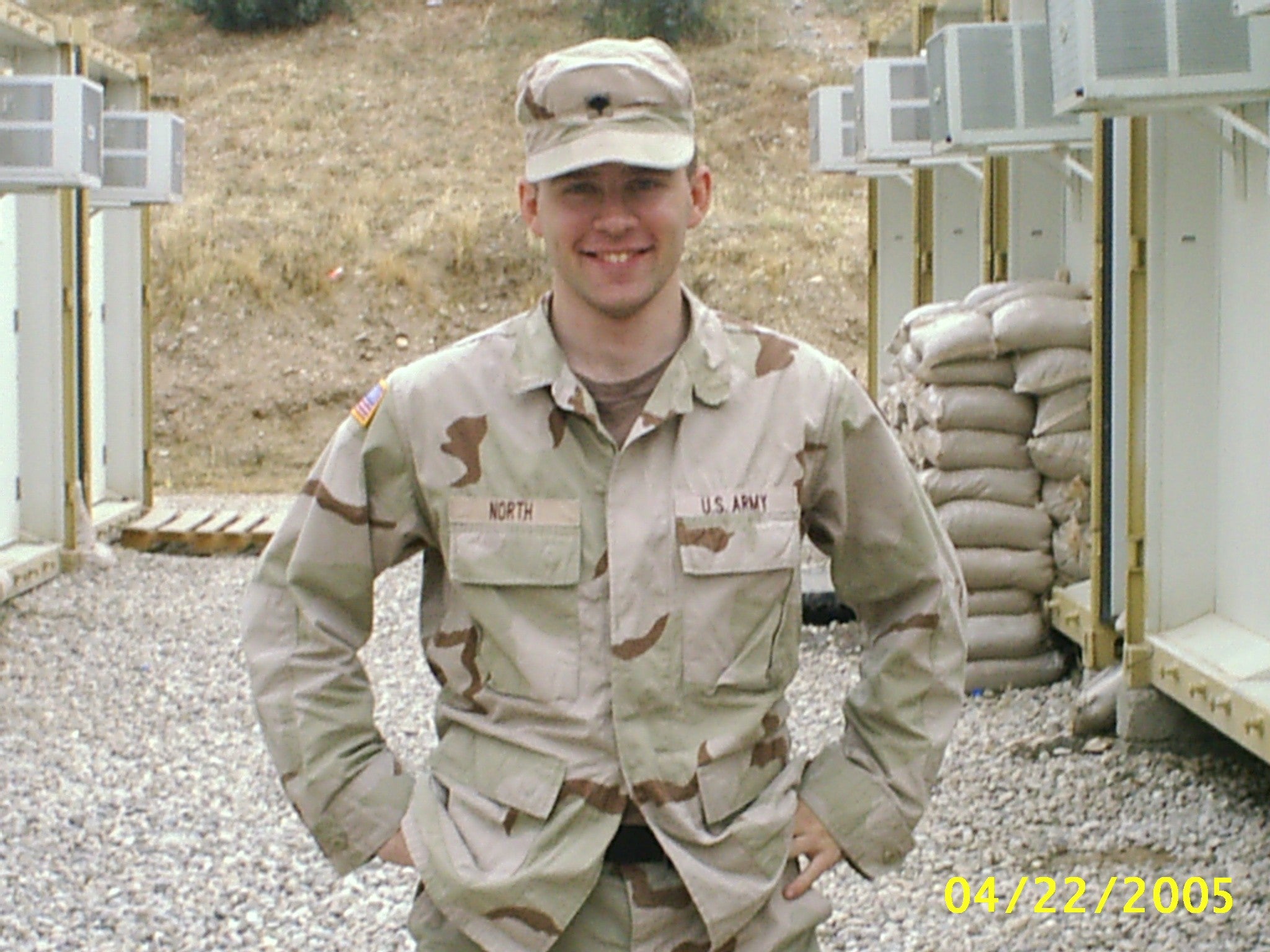
Caption: Shawn North (pictured above while on a tour of duty in Iraq) served 20 years in the U.S. Army before joining Trident.
Shawn North, HR Manager - Trident Seafoods: I was once in their shoes. When I retired from the military, I benefited from listening to those who had already made the transition. Their guidance helped me avoid common pitfalls and made my own transition a positive experience.
I find fulfillment in helping, mentoring, and coaching others as they figure out what comes next. If I can help even one veteran or employee feel supported as they take that next step, that means a lot to me. It is my way of giving back to those who helped me find my own way.
Q: Doug, your father-in-law is a veteran of the U.S. Air Force. Earlier this year you joined Shawn at the Recruit Military job fair on behalf of Trident. Why is the topic of hiring veterans into the civilian workforce something you’re passionate about?
...it's important to 'walk the walk' when you say, 'we support our troops.'
Doug Taylor, Talent Acquisition Partner, Trident Seafoods: If I can be the person that helps a service member find their next career opportunity where they can leverage the skillsets and work ethic they acquired in the military, it brings me such joy in doing what I can for veterans and thanking them for their service in a whole new way.
To me, it's important to “walk the walk” when you say, “we support the troops.”
Q: Leslie, you also have loved ones in your life who served in the armed forces, including your father and grandfather. What have your conversations with veterans and transitioning service members taught you about what they can bring to an organization?
Leslie Allen, Talent Acquisition Partner, Trident Seafoods: Those conversations have reaffirmed how much value veterans bring to the workplace, including leadership, discipline, adaptability, teamwork and a strong work ethic. Sometimes they just need help connecting those experiences to opportunities in the civilian workforce.
Q: As a follow up, what do you wish more veterans knew about how their military experience can translate into a career at Trident or elsewhere?
Leslie: I wish more veterans knew just how transferable their experience is. Leadership, problem-solving, technical skills, accountability, and working well under pressure are all qualities that can translate well into many careers at Trident and elsewhere.
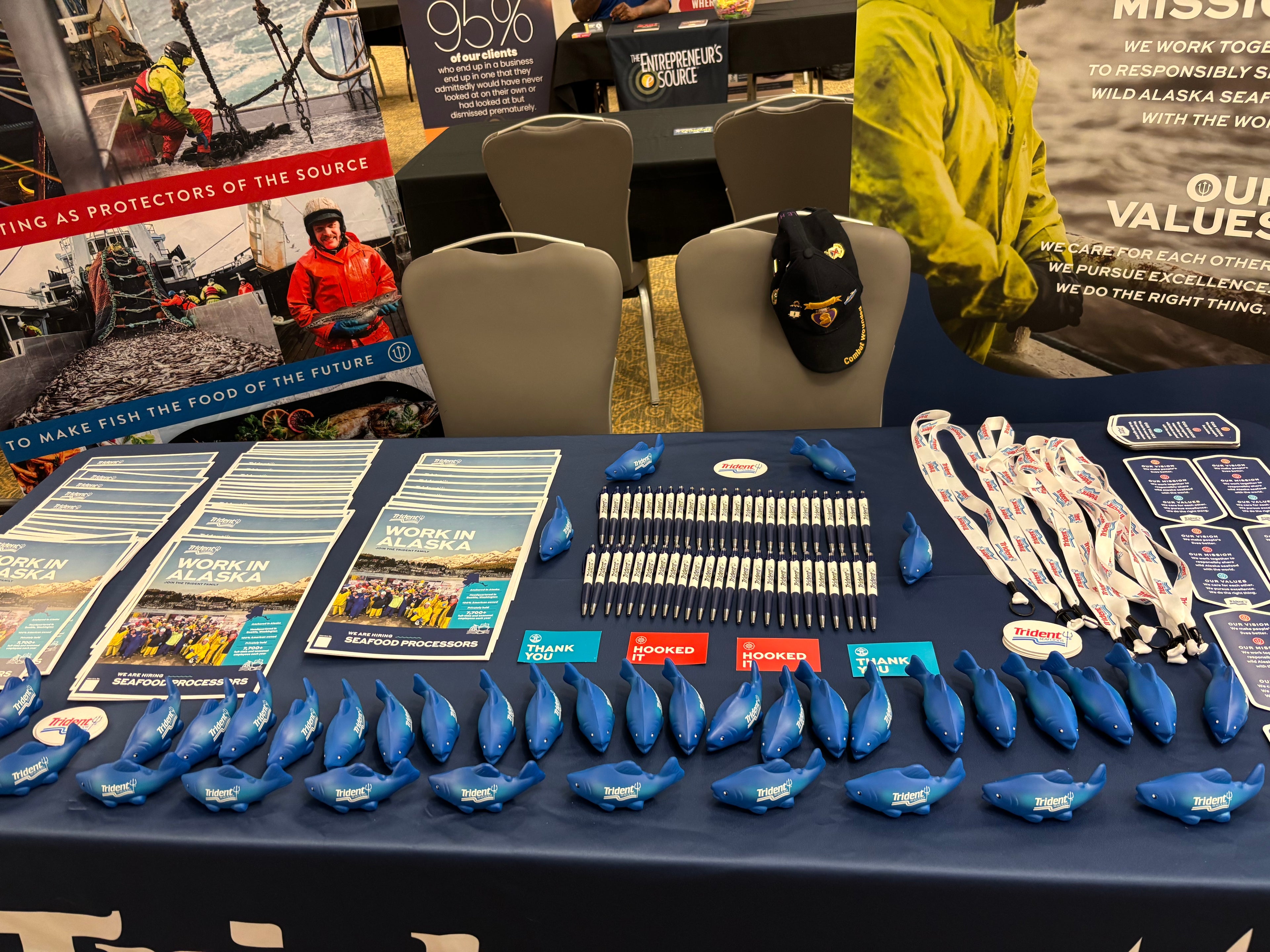
Caption: Leslie, Doug and Shawn can often be found staffing booths like the one pictured above at military job fairs throughout Alaska and the Pacific Northwest
Q: Shawn, speaking as a veteran yourself, what do you wish more veterans knew about how their experience in the military can translate into a fulfilling civilian career?
Shawn: My advice is to describe the work behind service not the job title or rank.
If you managed a program or project, describe its purpose, your role and what you accomplished. Use a specific example to show how you approached the work and explain how that experience relates to the position you want at Trident.
What felt like an everyday part of your service may be the experience an employer is looking for. Reach out to another veteran or veteran service to assist you in the translation.
Q: Trident’s Vision is to make people’s lives better, and the company’s Values include caring for each other, pursuing excellence and doing the right thing. Where do each of you see a connection between those ideas and Trident’s efforts to recruit and support veterans?
Leslie: Supporting veterans aligns naturally with Trident’s commitment to making people’s lives better and caring for each other. Creating opportunities for those transitioning from military service is one way we can live those values and recognize what they bring to our organization.
Doug: To me, caring for each other and making people’s lives better can be as simple as removing unnecessary hiring barriers and recognizing the value veterans bring.
As a recruiter, I enjoy advocating for candidates, helping hiring managers see beyond a job title or military occupation, and highlighting the transferable skills, potential and long-term value they can bring to a team.
Shawn: I see Trident’s value of caring for each other in recognizing veterans for their sacrifices in our recruiting efforts. Many veterans have delayed educational opportunities or have been in the same field for years or decades. Recruiting and supporting veterans shows that care and looking at the whole person, not just a resume.
Pursuing excellence means recognizing the experience of veterans we recruit and recognizing the benefit and advantages of those we have already hired. At all levels and across the company veterans can be found.
Doing the right thing means giving veterans opportunities to meet recruiters and expand their networks, supporting their transition whether those connections lead to a job at Trident or elsewhere.
Q: Shawn, what did your military service teach you that you still carry with you today, particularly in how you work with and lead others?
Around the middle of my military career, we began talking about the 'Platinum Rule...'
Shawn: Two lessons from my military service still guide me today: treat others how they want to be treated, and learn to be a good follower before becoming a good leader.
Around the middle of my military career, we began talking about the Platinum Rule: treating others as they want to be treated, rather than following the Golden Rule of treating them as you want to be treated. I carry that lesson into how I work with and lead others by taking time to understand each person’s preferences instead of assuming they match mine. That understanding can strengthen internal motivation and buy-in rather than relying only on external expectations.
Being a good follower or employee teaches you what makes leadership succeed or fail. Our military philosophy was to use the good and bad leadership we experienced to become the leader we always wanted to have. That is why I believe being a good leader starts with being a good follower.
Together, these lessons taught me that working well with others and leading them both begin with listening. Respecting people’s perspectives and recognizing how my actions affect the team help me understand what others need from me, not just what I need from them. The value is more than getting the job done: it is building trust and stronger working relationships while becoming the kind of leader I would want to follow.
Q: Finally, as we recognize Veterans Day and Remembrance Day, what would each of you like to say to our veterans or those military members who are soon-to-be retiring, particularly those thinking about what comes next in their careers?
As you consider your next chapter, know that the skills and experiences you gained...have real value...
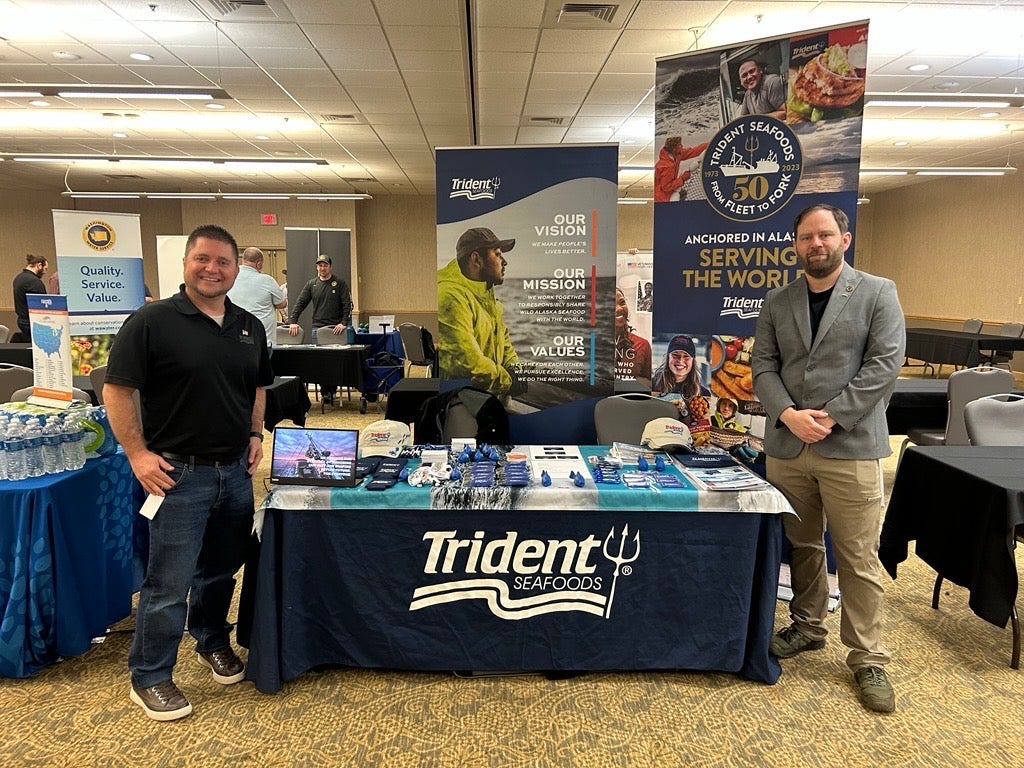
Caption: Shawn North and Doug Taylor staff Trident's booth during the Recruit Military job fair hosted at Joint Base Lewis McChord.
Shawn: My message is simple - be curious, share your experience and start a conversation. As you think about your next career step, remember that fellow veterans work in every industry, department and agency, even if we do not broadcast our veteran status. You do not have to look hard to find us.
An introduction through a shared experience, an internship that becomes a full-time position, or an honest conversation about leaving the military can all begin with that first exchange. Although our shared experience represents 6% or less of the population, you are not alone. Those of us who have transitioned have made mistakes and found our way through situations you may face, too.
Leslie: First, thank you for your service and sacrifice. As you consider your next chapter, know that the skills and experiences you gained through your service have real value, and there are organizations like Trident that recognize and appreciate what you can bring to the team.
Doug: First and foremost, I would say you don’t have to have your entire civilian career planned out right away. Find organizations and recruiters who are willing to understand your experience, who can help translate your skills, and who recognize the value you can bring to the team. Your military experience has allowed you to acquire skills that can be difficult to teach, such as leadership, reliability, teamwork, adaptability and being able to work under pressure.