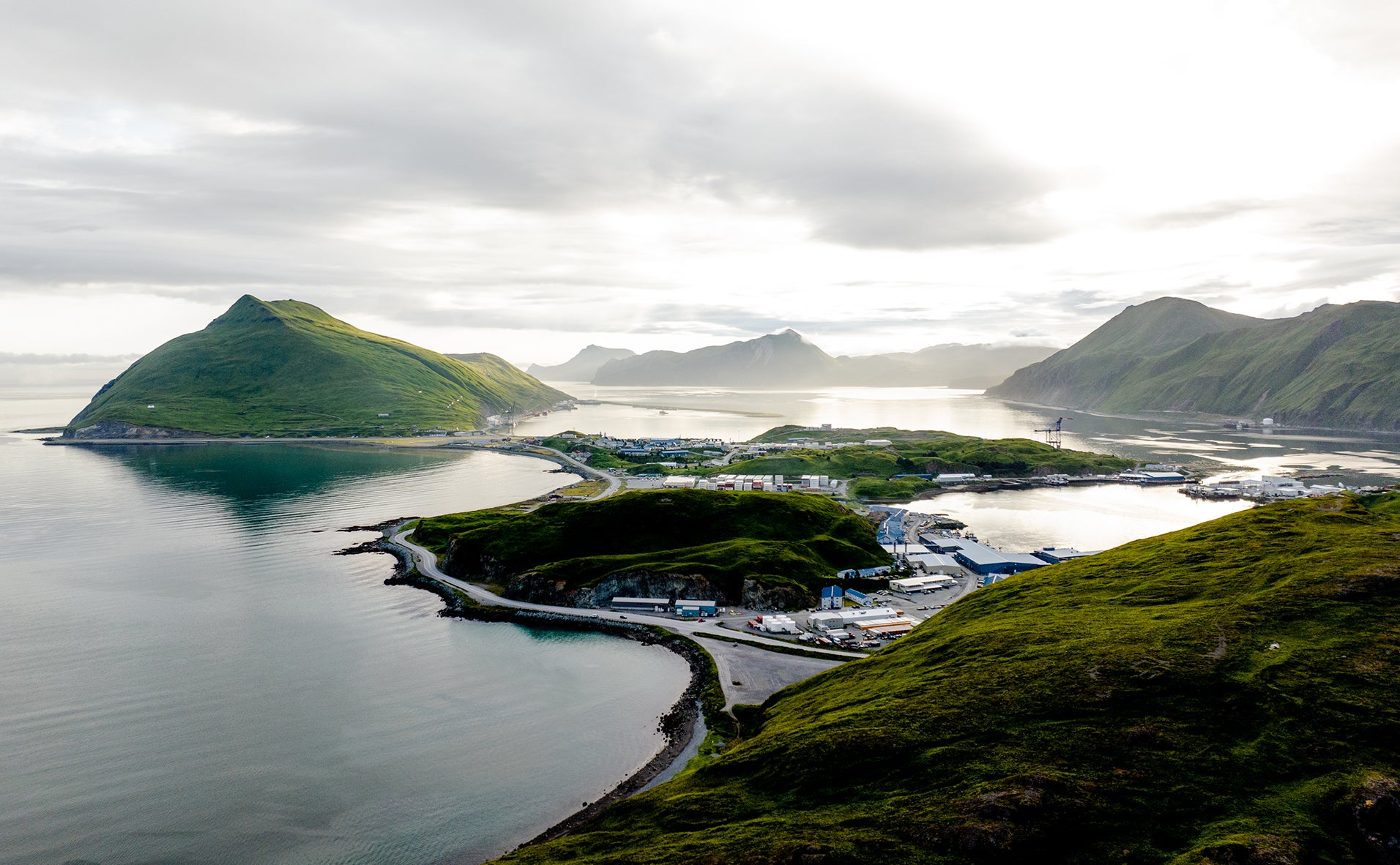
This article takes readers on a journey to Alaska, and explores how Alaska’s commercial fisheries support local jobs, infrastructure and community life across the state’s coastal communities.
Key Takeaways
Alaska’s commercial fisheries are essential to coastal communities throughout the state and Aleutian Islands.
Wild Alaska Pollock helps sustain year-round jobs and infrastructure.
Fisheries management combines science, technology and well-coordinated efforts and cooperation from captains, vessel crew and community members.
Long-term sustainability of Alaska’s fisheries depends on people, data and accountability.
On the edge of the Bering Sea...
In remote communities like Dutch Harbor and Akutan, the ocean is the operating system that keeps life running. More than 700 million pounds of seafood leave the Aleutian Islands each year, and behind those numbers are the fishermen, plant workers, pilots, mechanics, physicians, teachers and other small business owners that rely on Alaska’s commercial fishing sector as a reliable source of income.
In Alaska, fisheries and communities rise together. Salmon, crab, halibut and Wild Alaska Pollock – a low-fat, protein-rich, heart-healthy whitefish that’s become one of the most consumed fish in the U.S. - each play their part in the state’s economy and local culture. Together, they make this region one of the most remarkable working waterfronts on the planet.
In a place where the number of seafood workers often matches the year-round population, the health of the ecosystem and vitality of Alaska’s communities are closely intertwined. One cannot thrive without the other.
Responsible Fishing in Alaska: A Foundation for Communities and Culture
Alaska’s commercial fisheries are the lifeblood of many communities throughout the state, and have been for generations. That’s certainly true for the Unangan people, who for millennia have inhabited the Aleutian Islands.
I grew up to understand how they protect our waters and our seafood
Just ask Katherine McGlashan, Executive Director of the Unalaska Visitors Bureau and lifelong Alaska resident. McGlashan knows that protecting Alaska’s waters means protecting subsistence and ensuring continuity, and that in order for those two things to occur, there needs to be a healthy relationship between Alaska’s coastal communities and the fishing sector.
“I grew up to understand how they protect our waters and our seafood,” McGlashan said. “It's really important to us as the Unangan culture, because if that sustainability is not controlled, we will not be able to subsist salmon, halibut or any of our seafood. I think things are at a great point where there's give and take."
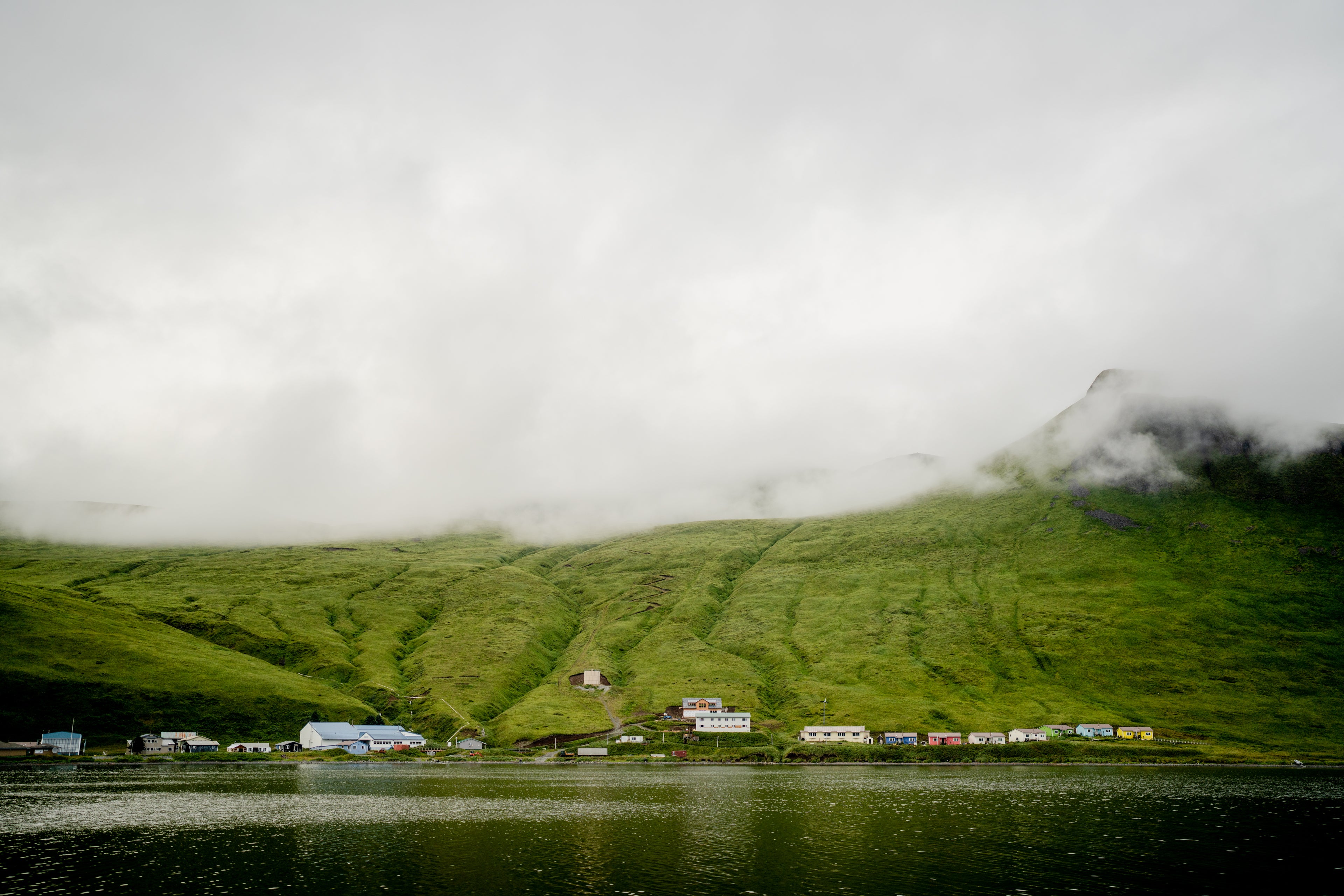
For Trident Seafoods, one Alaska’s top five employers and a company that’s been anchored in the state for more than 50 years, that interdependence between healthy fisheries and thriving communities is central to how its captains, vessel crew, processors and independent fishermen approach conserving and managing the resource.
For fishing fleets and shore teams at Trident, environmental stewardship shows up in daily decisions. That includes where to fish and how to fish, as well as how to continuously reduce bycatch year-over-year. It’s a shared responsibility, one grounded in the understanding that thriving fisheries and communities depend on one another.
How Alaska’s Commercial Fishing Sector Supports a Remote Coastal Economy
In the Aleutians, distance amplifies the importance of reliability and responsibility.
Fisheries in the Bering Sea provide something irreplaceable for a remote economy. They create year-round jobs and fuel infrastructure that makes the necessities of everyday life possible. The processing plants in Akutan and Dutch Harbor can operate through all seasons. Cargo moves in and out, the clinics keep hours, and the airports stays (mostly) on schedule, weather depending. You can trace a straight line from a responsible, healthy fishery to the continuance of stable, working life on land.
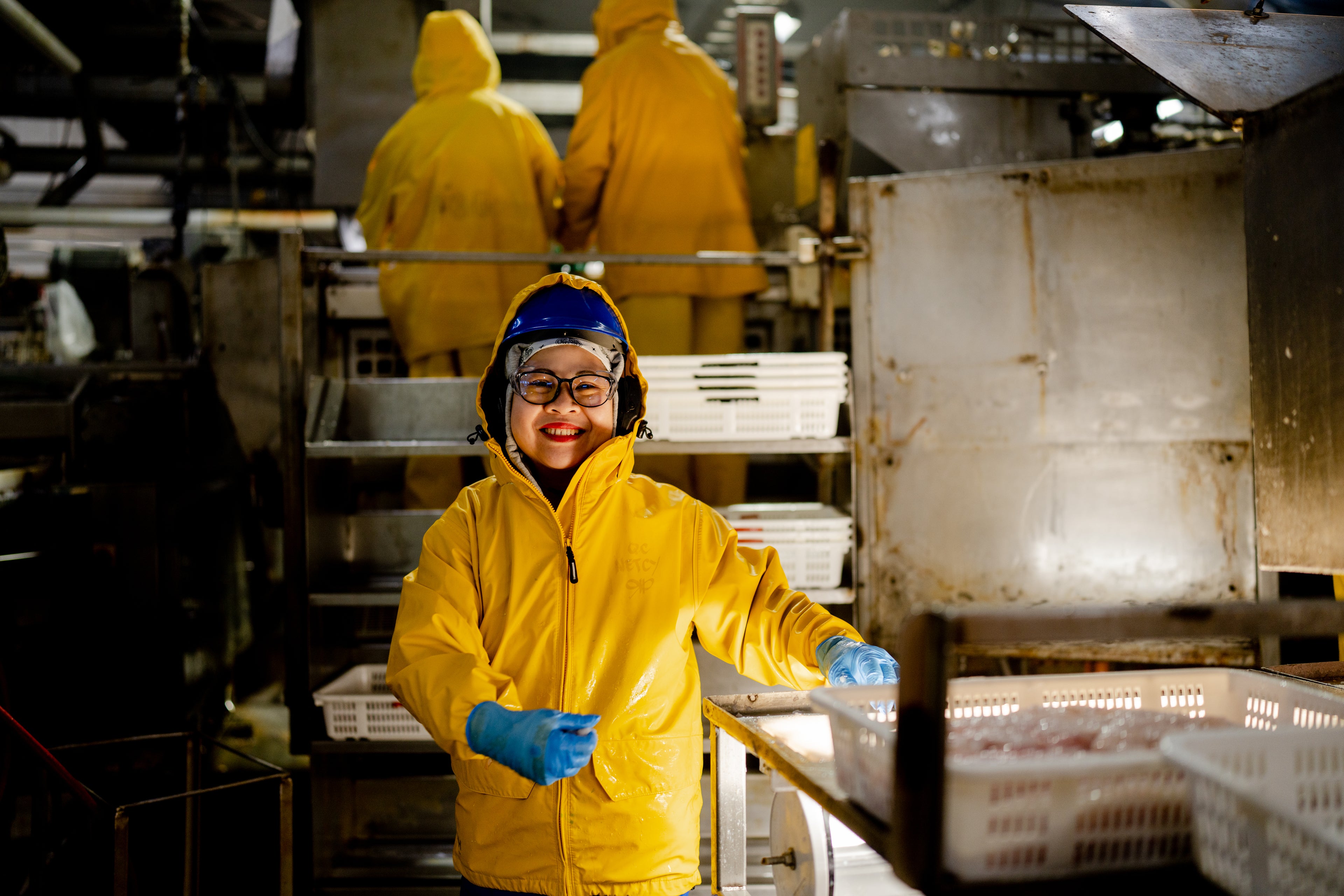
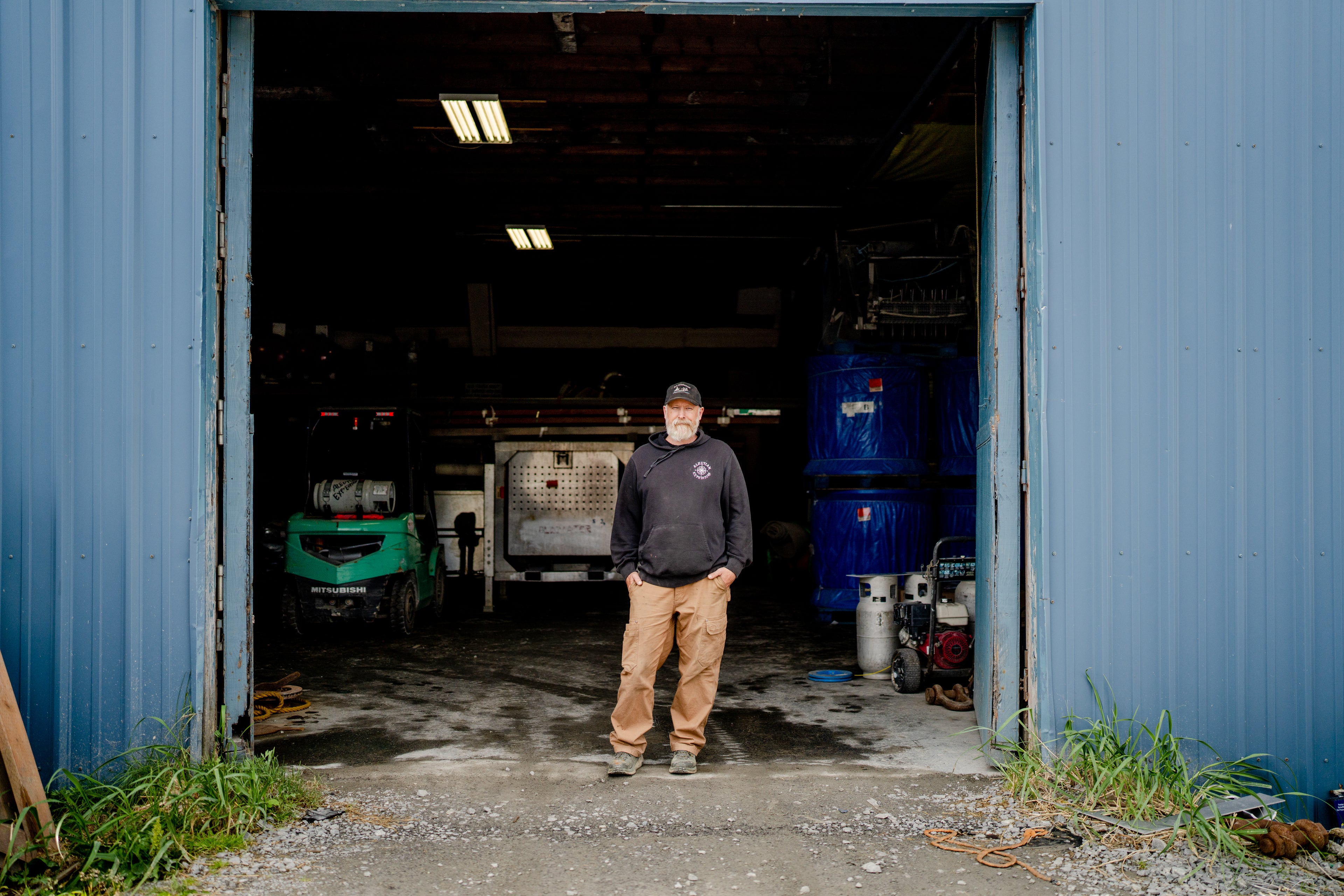
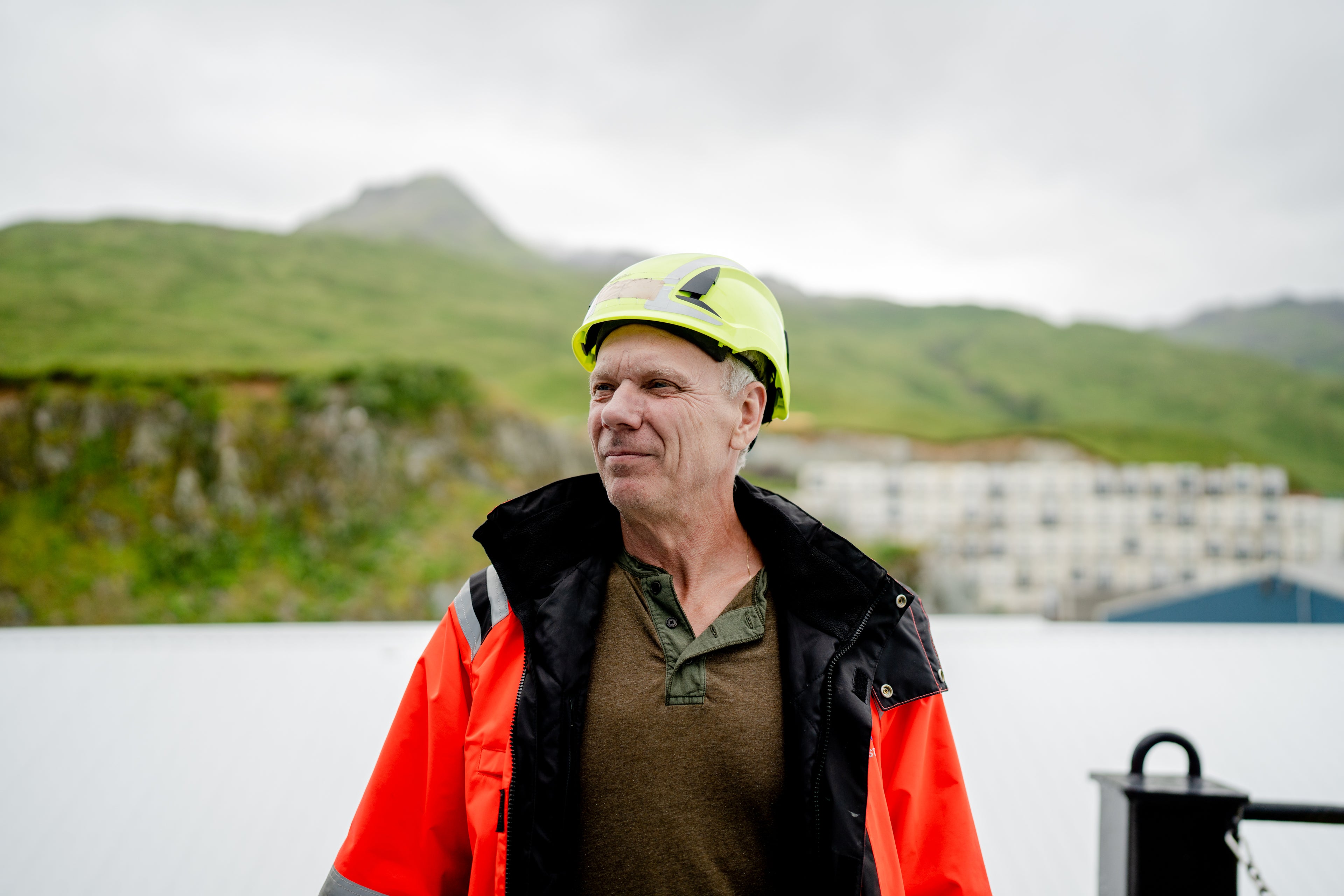
Within that larger system, Wild Alaska Pollock plays a unique role. Its broad seasons keep processors and infrastructure running even through the depths of winter, bridging the gaps between seasonal fisheries and anchoring economic stability. That consistency underwrites the services that every community depends on, such as schools, grocery stores, utilities and transportation.
"The pollock fishery is really the cornerstone of the fishing industry out here in Dutch Harbor," said longtime resident Carlin Enlow. "Everything that comes in revenue wise really relies on the sustainability and success of the pollock fishery."
Understanding that interdependence is essential. Salmon fishermen depend on the processing capacity that Wild Alaska Pollock helps sustain. Crab crews rely on the same logistics networks and cargo services. Local contractors, stores and utilities are all woven together in the same fabric. Pull out one thread, and the fabric frays quickly.
Alaska’s Fisheries Are Built on Science and Strengthened by People
Alaska fisheries, from Wild Alaska Pollock to salmon and crab, are managed with science-backed data, innovation and accountability at their core. Conservative catch limits, consistent and robust research, and real-time monitoring and oversight guide decisions that help ensure long-term sustainability.
Every one of us is communicating with each other to minimize the impact of this fishery.
But science is only part of the story. To gain a more complete picture, you must look at the people who make Alaska’s fisheries what they truly are: some of the most sustainable commercial fisheries on earth.
In Alaska, you have captains coordinating constant communication across vessels to avoid sensitive areas, crews sharing data in real time to minimize bycatch, and massive investments in gear and training that continue to push fleets towards cleaner harvests.
"It's fleet wide," said Captain Paul Drennen of the Fishing Vessel (FV) Golden Dawn. "Every one of us is communicating with each other to minimize the impact of this fishery."
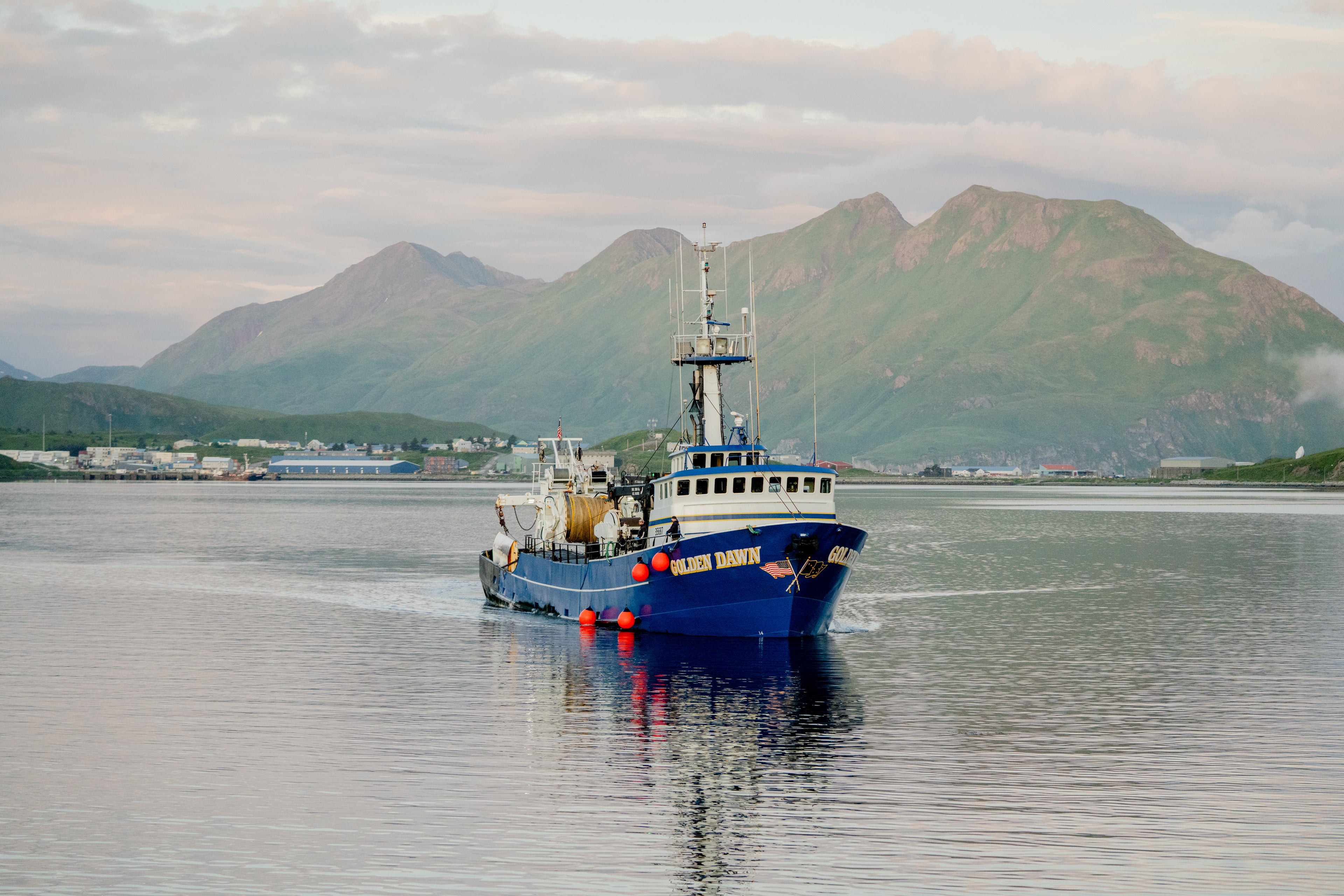
Make no mistake, at Trident – and more broadly speaking, in Alaska’s Pollock fishery – captains communicating with each other and sharing real-time bycatch data with the rest of the cooperative is the rule rather than the exception. That’s just one reason why marine experts – including those at the National Marine Fisheries Service (also known as NOAA Fisheries) - recognize the Alaska Pollock fishery as one of the most responsible and sustainable fisheries in the world.
Over time, the fishery’s high standards and science-based approaches have helped drive dramatic reductions in bycatch and improved fishing practices across the board.
"All of us are stewards of the resource," said Blakely Benson, Fleet Director at Trident Seafoods. "I tell my captains, you need to wake up every single morning and tell yourself that you can always do better, whether it's being more efficient with harvesting or being more attentive to bycatch.
“If we can all work to continuously do better, then we're moving in the right direction.”
No one here claims perfection. What they claim is responsibility, and a commitment to continuous improvement. The future of these fisheries and the communities that depend on them are inseparable, and it’s this responsibility that drives the discipline to act on the data, and the humility to keep improving.
Life and Identity in Alaska’s Coastal Communities
Dutch Harbor and Akutan are raw and unforgettable. The beauty isn’t soft here; it’s earned, and it shapes the people who choose it. Its residents – like so many residents throughout Alaska’s coastal communities – understand the stakes.
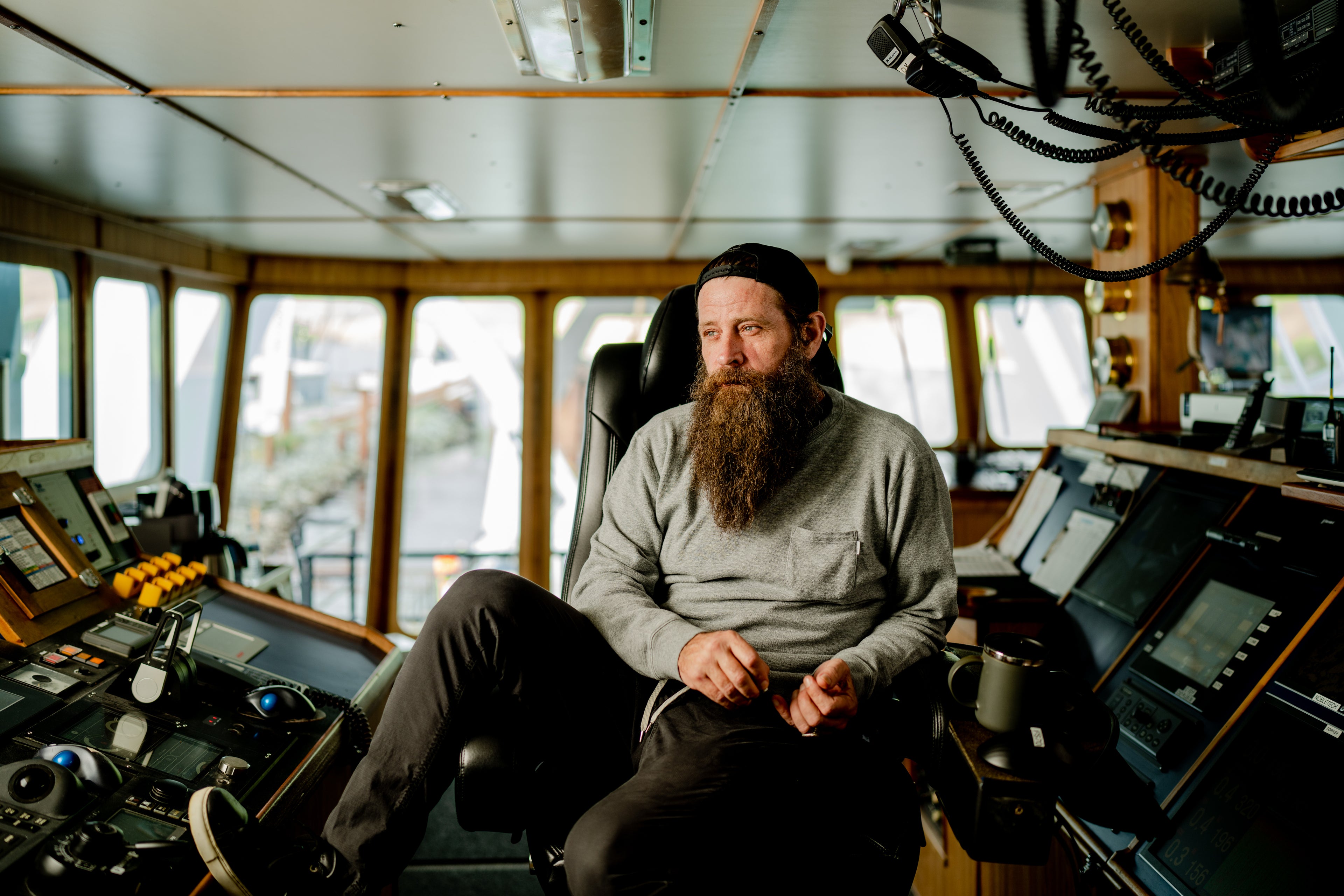
"We live in such a unique place that there's not really anywhere else in the world that offers what the Aleutians offer," said Carlin Enlow. "Whether you're here for five minutes or five days, or five years or 50 years, it's always gonna sit in your soul."
So why protect a fishery that feels like it’s on the edge of the world? If you ask Joel Rae, Production Manager on Trident’s Catcher-Processor (CP) vessel, Starbound, the answer is simple: because it’s home, and it’s the responsible thing to do.
"We all are here to make a living and do the right thing."
Related Content and Additional Resources
Read more: "Pride and Care on the Human Side of the Wild Alaska Pollock Fishery"
Learn about Trident's commitment to fishing responsibly in the company's latest Sustainability Progress Report.